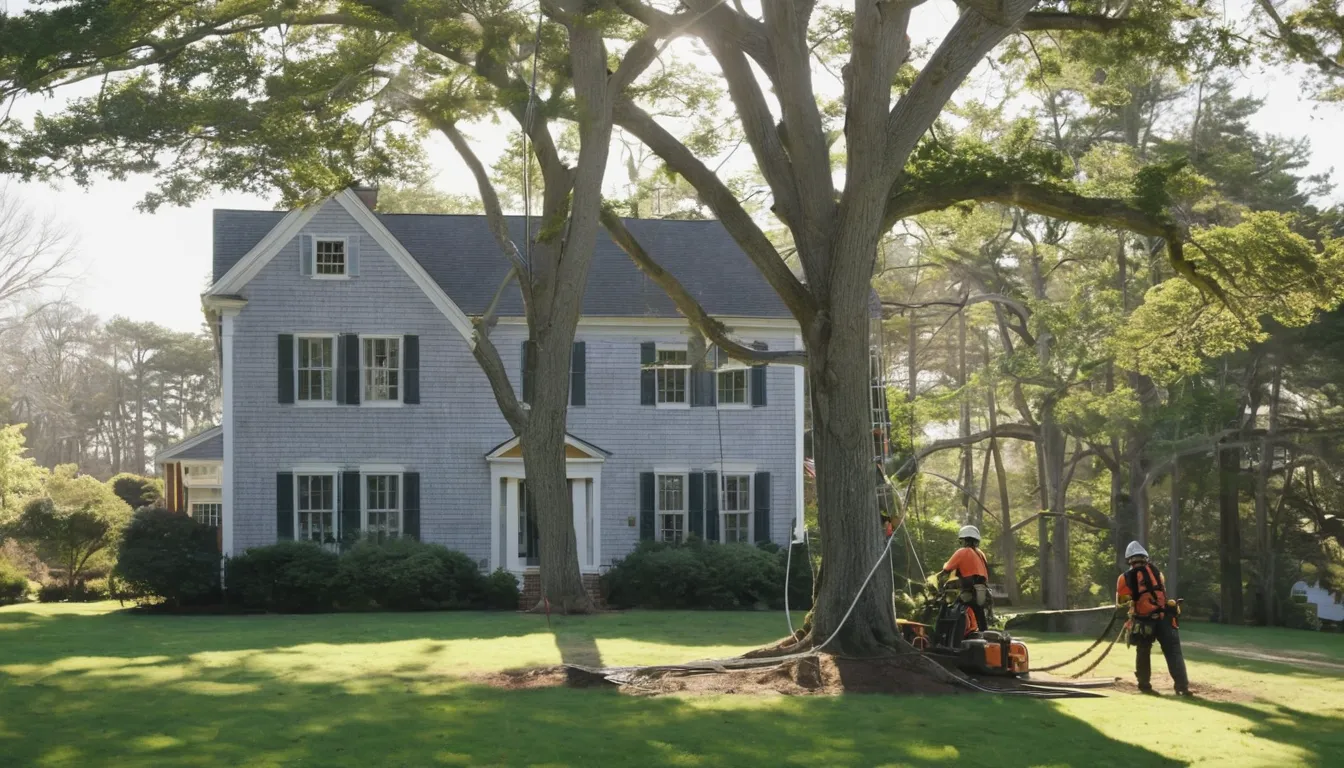
Tree Removal Help for Homeowners
Request an estimate from a local provider
A tree problem can feel big when you have never faced one. This page walks you through it in plain steps. You will learn which signs mean trouble, what to do first, and what to skip. Mechanicalscientists Tree Service is a referral service. We connect homeowners in Yardley and the Yardley area with independent providers.
The providers in our network do the cutting, the hauling and the cleanup. Mechanicalscientists Tree Service does not do the work. Our job is to help you reach a local provider who can look at your tree, explain the plan and give you a written quote before any work starts. You choose whether to go ahead. There is no obligation to hire.
Look Up First: Is This Tree a Problem?
Most tree trouble starts small. A crack, a lean or a dead limb shows up weeks before something falls. If you have never dealt with this, take a slow walk around the tree and look up.
You do not need to climb or touch anything. Your eyes and a phone camera are enough.
Early warning signs to spot
- A new lean, or soil lifting at the base
- Cracks or splits in the trunk or big branches
- Dead, hanging or bare limbs in the summer
- Mushrooms or soft, crumbly wood near the roots
- Branches touching the roof or power lines
If you see two or more, plan a visit from a provider soon, before the next storm or hard freeze.
Stay Back, Then Call: Emergency Tree Removal
Some situations cannot wait for a calm week. A tree that has fallen on the house, a split trunk over a driveway, or a limb on a wire is an emergency. Many providers offer emergency tree removal, and some handle storm tree clearance after high winds or heavy, wet snow.
Do and do not
- Do keep everyone away from the tree and the area around it.
- Do treat any downed wire as live. Stay far back and tell the utility company.
- Do not cut a tree that is leaning on something. The stress can make it snap.
- Do not stand under a damaged limb to take photos.
Request a callback to check provider availability. Many providers can respond quickly, but hours vary.
Why Homeowners Remove Trees
People usually remove a tree for one of a few clear reasons.
Storm and snow damage
Coastal storms and heavy snow can split trunks and tear off large limbs. A tree falling service can make the area safe again.
Disease or decay
Rot can hide inside a tree that still has green leaves. Older trees near older homes are common cases.
Roots near the foundation
Roots can press on stone and block foundations, walkways and pipes. Ask a provider to look before damage grows.
How Tree Removal Works
The process is simple once you know the order.
- A provider visits and looks at the tree, the lot and anything nearby.
- You get a written quote that lists the work.
- The crew sets up safety zones and cuts the tree in sections, or fells it whole if there is room.
- Wood and branches are cut up and hauled away, or left if you ask.
Tight yards and close houses often need ropes, lifts or a crane. That is normal.
What Affects the Price
Size, height and location matter most. A tree over a roof costs more than one in an open yard. Dead or damaged trees can be riskier to cut, which raises the price. Storm work and rush jobs often cost more too. See the cost guide below, then get a written quote. Quote before work is a good rule.
Permits and Local Rules
Some towns protect certain trees, especially large ones or those near the street. Others ask for a permit before removal. Rules differ by town, and by whether the tree sits on your land or the public edge.
Check with your town office before you book. Ask the provider if they know the local rules, but do not assume the paperwork is done for you. If a neighbor shares the tree, talk to them first.
Choosing a Tree Removal Provider
A good provider is easy to question. Ask for proof of liability insurance and workers' compensation, and check that it is current. Ask who will be on site and what the quote includes.
Red flags
- A price offered only by phone, with no visit
- Pressure to pay everything up front
- No written quote or no proof of insurance
- Climbing without safety gear
Getting Ready for Removal Day
A little prep keeps the day smooth and safe.
- Move cars, bikes and patio items well away from the tree.
- Clear a path to the tree and to the street.
- Keep children and pets inside.
- Tell neighbors that noise is coming.
Do not stand close to watch. Stay back and let the crew work. They need room to move.
After the Tree Comes Down
Walk the yard with the provider before they leave. Check that the quote items were done, and look at the roof, fence and lawn for any damage. Take photos for your records.
Some policies may cover sudden damage from a fallen tree, so check your policy. Providers can often help document damage for a claim.
What about the stump?
The stump stays unless you add stump grinding to the job. Ask about it when you get your quote, since it is often easier to book both together.
What's Included
Tree Assessment Visit
A local provider looks at the tree, the lot and nearby hazards, then explains the safest way to take it down.
Careful Cutting
Trees come down in sections or whole, using ropes, lifts or cranes when space is tight.
Haul-Away Cleanup
Branches, logs and debris can be cut up and carried off, or left for firewood if you ask.
Written Quote
You get the work and price on paper before anything starts, so there are no surprises.
Typical Tree Removal Costs
Prices vary by tree size, access, condition and local rates. These are typical U.S. ranges, not offers. Always ask for a written quote after a provider has seen the tree in person.
| Item | Typical range | Notes |
|---|---|---|
| Small tree (under 30 ft) | $150 – $500 | Open yard, easy access |
| Medium tree (30–60 ft) | $400 – $1,200 | Price rises near buildings |
| Large tree (over 60 ft) | $1,000 – $2,500+ | Often needs lifts or ropes |
| Emergency or storm job | $1,000 – $4,000 | Fallen trees and urgent risk raise costs |
| Crane or lift add-on | $500 – $2,000 | Used when space is tight |
| Stump grinding | $100 – $500 per stump | Size and roots change the price |
How It Works
Look and Note
Check the tree from a safe distance. Take photos of cracks, leans, dead limbs and any damage.
Call or Request an Estimate
Request a callback to check provider availability, or use the form to request an estimate.
Review the Quote
Read the written quote. Check the work listed, the cleanup and proof of insurance.
Prepare and Stay Back
Clear the area, keep kids and pets inside, and let the provider do the cutting.
Why Call Mechanicalscientists Tree Service
Safety First
Clear do and do not steps help you avoid risky moves around damaged trees and power lines.
Plain Guidance
Simple answers for first-timers, with no jargon or pressure.
Local Providers
Independent providers in our network know local yards, older homes and regional weather.
Quote First
Ask for a written quote before work starts, with no obligation.
Other Services
Need tree removal help in Yardley?
Have a leaning tree, storm damage or a stump in the way? Send a request or ask about provider availability, and a local provider can follow up.
Tree Removal Help FAQ
How do I know if a tree needs to be removed?
Warning signs include a new lean, deep cracks, dead limbs, fungus at the base and lifted soil. If you see several, have a local provider inspect the tree. A visit helps you decide whether removal or trimming is the safer choice.
What should I do if a tree falls on my house?
Get everyone out and stay back. Do not cut or move the tree yourself. Stay clear of any wires and tell the utility company. Then call a local provider for emergency tree removal and photograph the damage.
Do I need a permit to remove a tree on my property?
It depends on your town. Some places protect large or street-side trees and ask for a permit first. Check with your local town office before booking, and ask the provider whether they know the local rules.
Tell us what happened
Have a leaning tree, storm damage or a stump in the way? Send a request or ask about provider availability, and a local provider can follow up.
No obligation